Thank you for contacting us.
We will respond as soon as possible.

06 17 2020
FIREPROOF PLASTER: ASSESSING THE SUITABILITY OF THE SUBSTRATE AND CHOOSING THE APPLICATION STRATEGY
A quick, empirical method for assessing at a preliminary stage, based on the condition of the surfaces, the most suitable application solution for fireproof plaster, with two practical examples on concrete and steel columns.
Eng. Diego Cecchinato – CEO and Technical Director, In Fire Srl
Types of application surfaces
As is well known, a fireproof plaster is spray-applied with a suitably equipped plastering machine. The types of application surfaces generally encountered on site are described below.
- New construction with surface treatment: a newly built element with a final finish. The finish may be a plaster, on masonry or a concrete element, or an anti-corrosion or decorative paint, on a steel element.
- New construction without surface treatment: a newly built element left bare, without any final finish.
- Old construction with surface treatment: an old element with a final finish. The finish may be a plaster, on masonry or a concrete element, or an anti-corrosion or decorative paint, on a steel element.
- Old construction without surface treatment: an old element left bare, without any final finish.
- Old construction without surface treatment and with a deteriorated surface: an old element with a deteriorated surface, for example spalling in the case of concrete or rust in the case of steel.
Figure 1 shows an example of a deteriorated surface, which requires repair work before the fireproof plaster is applied.
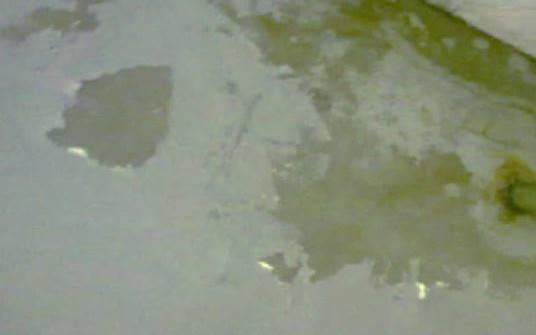
Fig. 1 – Deteriorated application surface
Application on concrete and masonry
In general, concrete surfaces may be found in any of the five conditions described above. The following table summarises the suggested work cycle for each of them.
Suggested work cycles on concrete and masonry
Surface condition | Suggested cycle |
|---|---|
New construction with surface treatment | a) Check of the adhesion of the existing surface treatment to the element + application of a two-component epoxy primer + application of CERTIFIED FIREPROOF PLASTER b) Removal of the surface treatment (sandblasting or high-pressure water washing) + application of CERTIFIED FIREPROOF PLASTER |
New construction without surface treatment | Cleaning of the substrate + application of CERTIFIED FIREPROOF PLASTER |
Old construction with surface treatment | a) Check of the adhesion of the existing surface treatment to the element + application of a two-component epoxy primer + application of CERTIFIED FIREPROOF PLASTER b) Removal of the surface treatment (sandblasting or high-pressure water washing) + application of CERTIFIED FIREPROOF PLASTER |
Old construction without surface treatment | Cleaning of the substrate + application of CERTIFIED FIREPROOF PLASTER |
Old construction without surface treatment and with a deteriorated surface | Repair of the deteriorated areas and treatment of the reinforcement where necessary + CERTIFIED FIREPROOF PLASTER |
Application on steel
Steel surfaces, too, may generally be found in the same five conditions. The following table summarises the suggested work cycle for each of them.
Suggested work cycles on steel
Surface condition | Suggested cycle |
|---|---|
New construction with surface treatment | a) Check of the adhesion of the existing surface treatment to the element + application of a two-component epoxy primer + application of CERTIFIED FIREPROOF PLASTER b) Removal of the surface treatment (sandblasting or high-pressure water washing) + application of CERTIFIED FIREPROOF PLASTER |
New construction without surface treatment | Cleaning of the substrate, check for rust + application of CERTIFIED FIREPROOF PLASTER Note: rust on the section compromises the adhesion of the plaster, since it effectively forms a release layer |
Old construction with surface treatment | a) Check of the adhesion of the existing surface treatment to the element + application of a two-component epoxy primer + application of CERTIFIED FIREPROOF PLASTER b) Removal of the surface treatment (sandblasting or high-pressure water washing) + application of CERTIFIED FIREPROOF PLASTER |
Old construction without surface treatment | Cleaning of the substrate + application of CERTIFIED FIREPROOF PLASTER |
Old construction without surface treatment and with a deteriorated surface | Repair of the deteriorated areas and treatment of the reinforcement where necessary + CERTIFIED FIREPROOF PLASTER |
The plaster mesh option
In some cases an alternative strategy can be adopted. With deteriorated surfaces, or with surface treatments that are not suitable for the application of fireproof plaster, the problem can be avoided by installing an expanded metal mesh suitable for receiving the sprayed plaster. The mesh is mechanically fixed to the structural element with dedicated metal fixings, after which the plaster can be sprayed.
This technique is particularly advantageous when the surfaces are badly deteriorated and large: applying the plaster on a mesh avoids operations such as sandblasting and high-pressure water washing, reducing time and costs on site.
Example with a concrete column
Figure 2 shows a practical case: an old concrete column with a surface treatment, damaged at the base.
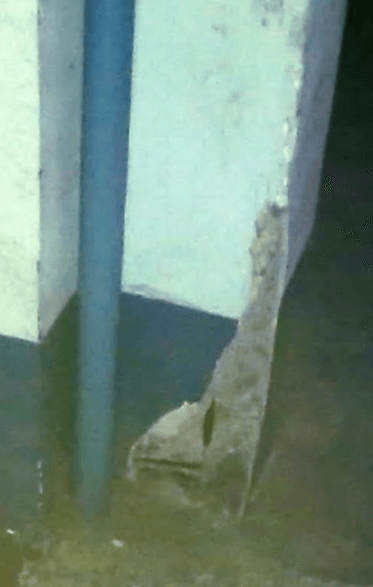
Fig. 2 – Concrete column to be treated
First of all, the damage at the base of the column must be repaired, including a protective treatment of the reinforcing bars. Then, as indicated in the work cycle tables, three routes are possible.
The first, checking the adhesion of the old finish, must be ruled out from the outset: such an old paint is unlikely to guarantee adhesion. Two options therefore remain:
- water-blast or sandblast the surfaces to remove the old paint, then apply the fireproof plaster;
- mechanically fix an expanded metal plaster mesh to the substrate, like the one shown in Figure 3, and spray-apply Protherm Light® plaster.
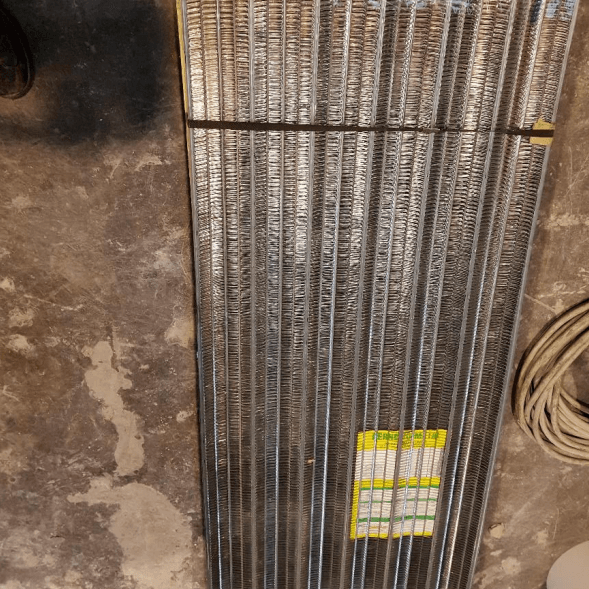
Fig. 3 – Example of an expanded metal plaster mesh
Both application strategies are valid: the choice will depend on the surfaces to be treated, the complexity of the site and the time available.
Example with a steel column
Figure 4 shows a second practical case: an old steel column with a surface treatment and signs of rust.
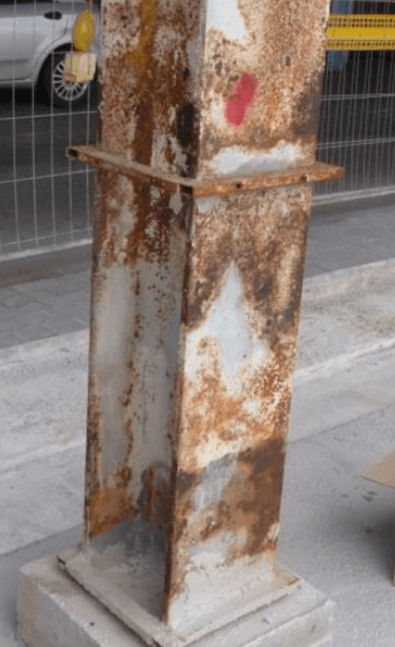
Fig. 4 – Steel column to be treated
Here too, as indicated in the work cycle tables, three routes are possible, but checking the adhesion of the old finish must be ruled out from the outset: such a deteriorated surface will not guarantee adhesion.
Two options therefore remain:
- sandblast the surfaces to remove the old paint and the rust, then apply the fireproof plaster;
- mechanically fix an expanded metal plaster mesh to the substrate, like the one shown in Figure 3, and spray-apply Protherm Light plaster.
Sandblasting is a costly operation: in a case like this, the solution with a plaster mesh followed by the application of Protherm Light is therefore generally recommended.
Figure 5 shows an example of application on a plaster mesh, with the typical “box” configuration.
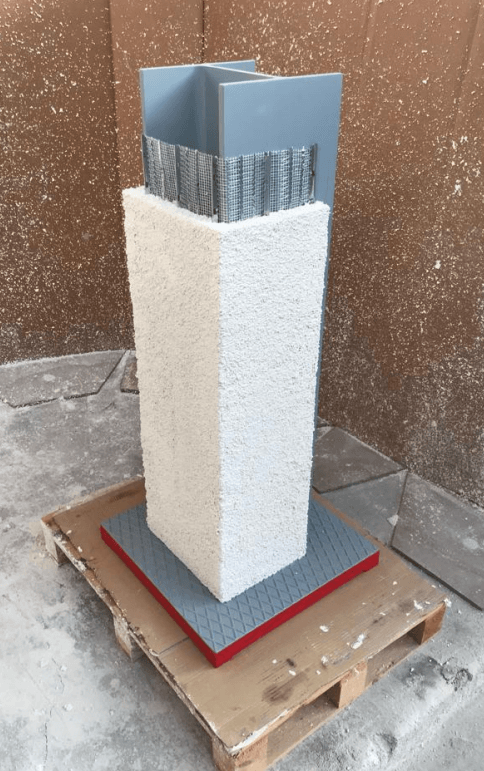
Fig. 5 – Example of application on a plaster mesh in a “box” configuration on a steel column
Conclusions
This article has dealt in general terms with the application of fireproof plasters, with particular reference to the assessment of substrates and the resulting choice of application strategy. The solutions described are necessarily general and must always be examined in more depth for each specific site, because the issues are many and must be assessed case by case.
Applying these plasters is no different from applying lightweight thick-coat plasters. The responsibility, in the case of fire prevention, is certainly different and greater, but the good practice rules for plaster application, consolidated over the years, also apply to fireproof plasters. However, greater attention must be paid to the application surfaces and to the operations being carried out: for this reason, it is advisable to rely on specialised contractors rather than on inexperienced ones.
SHARE